
The Heart Behind the Haul
Why We Do What We Do
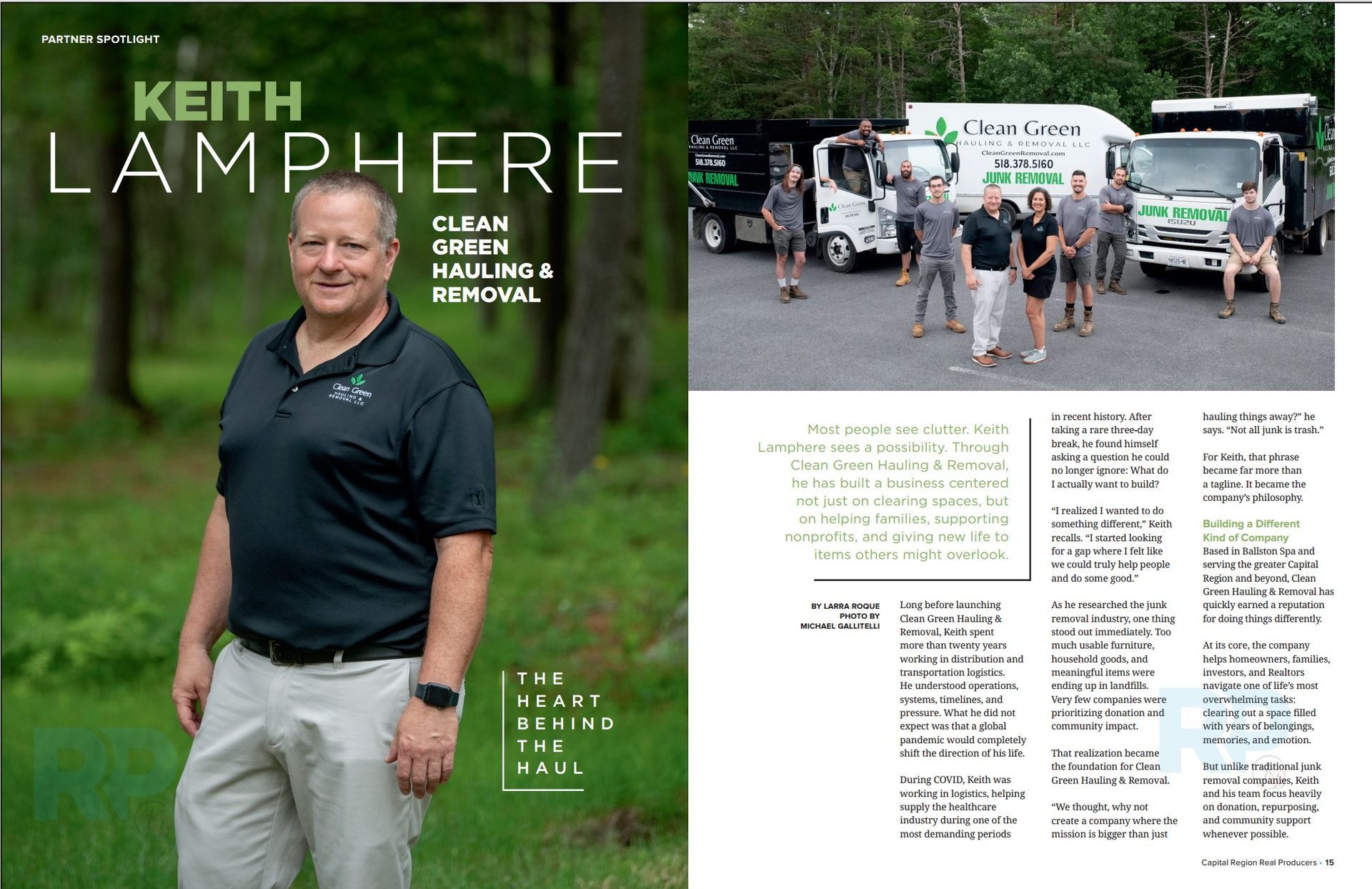
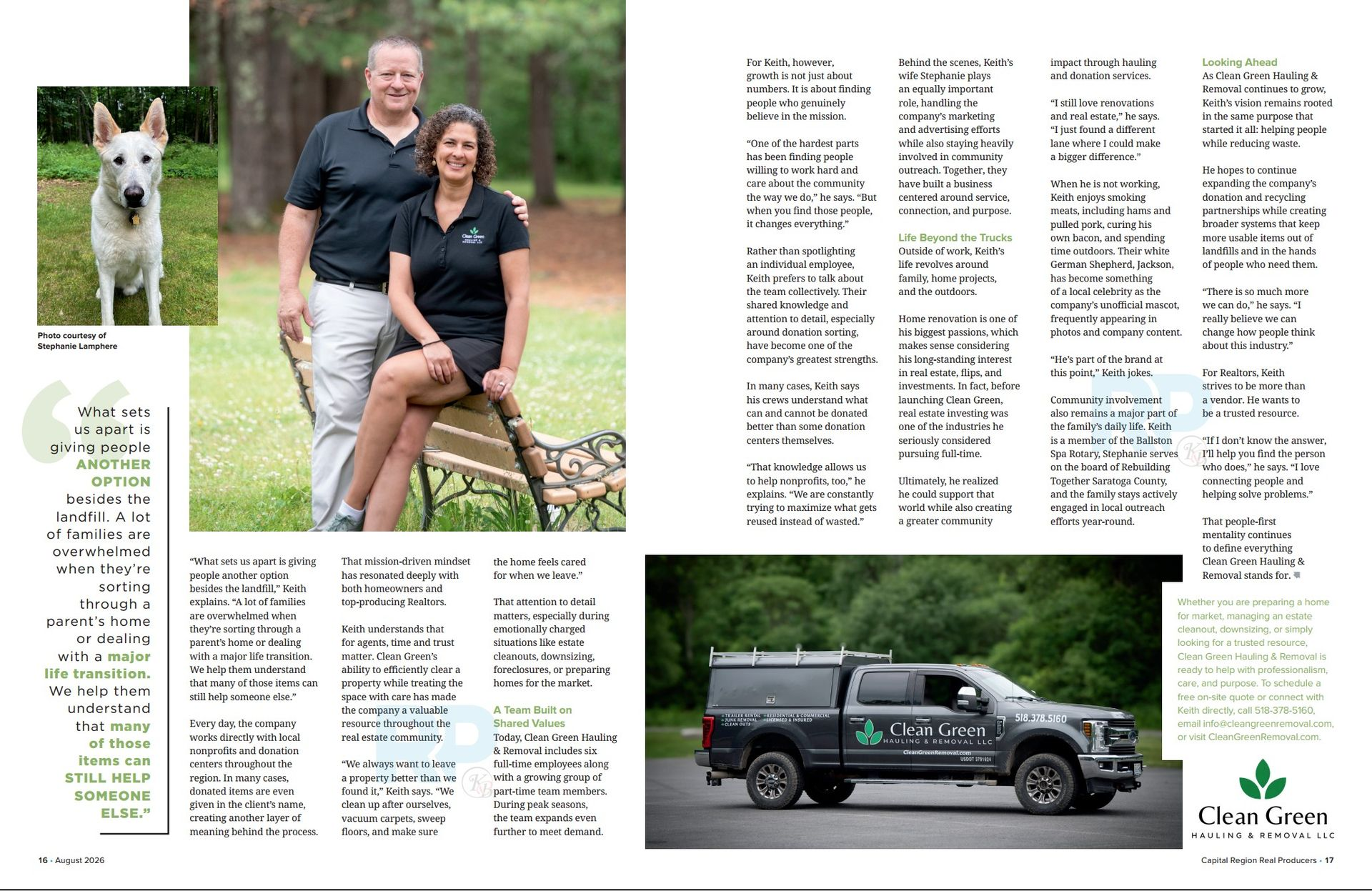
Keith Lamphere was recently featured in Capital Region Real Producers, a monthly magazine that spotlights local business leaders and partners in the real estate field. Read the article below.
Tips from the Clean Green Team
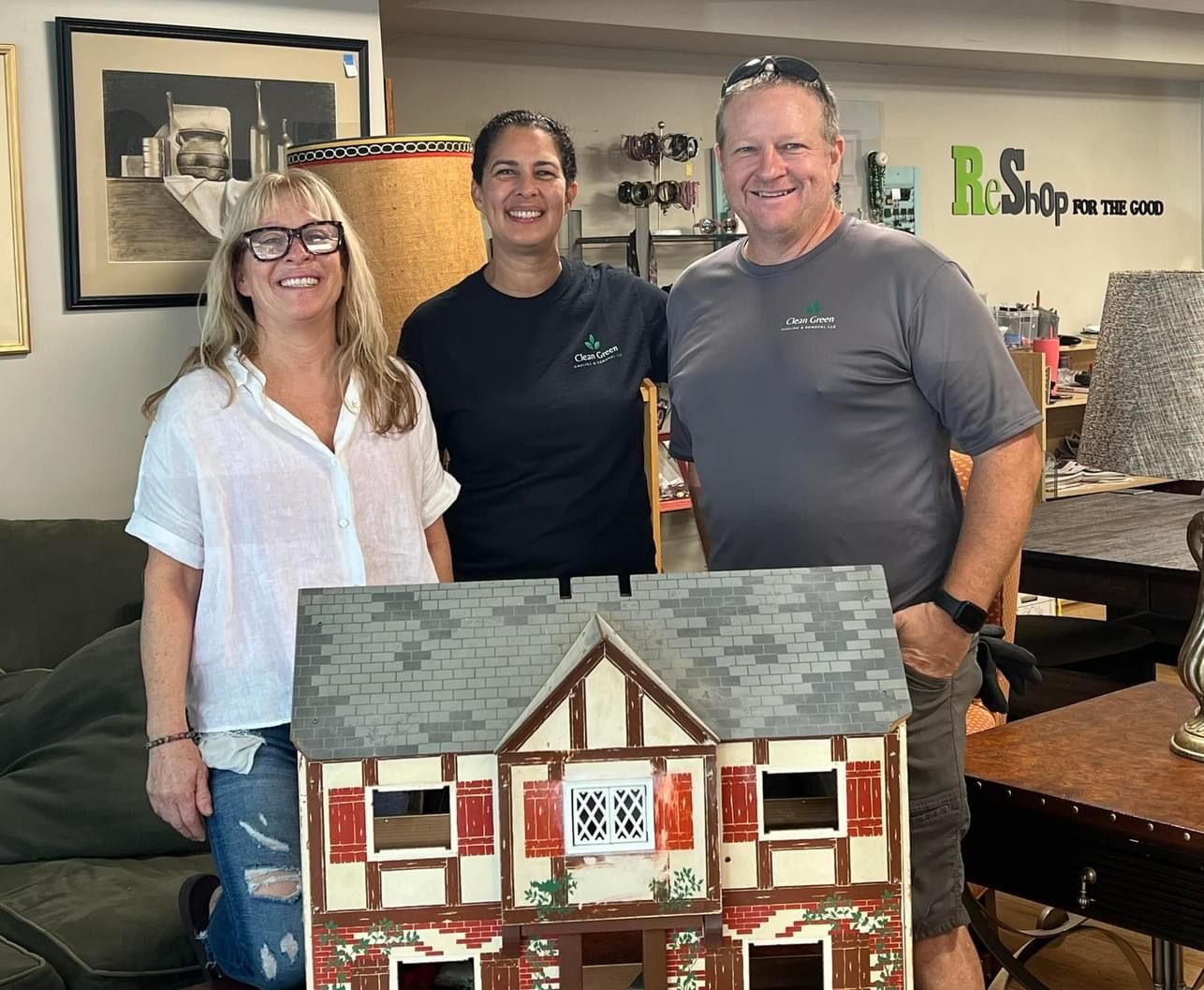
Why We Support Local Organizations
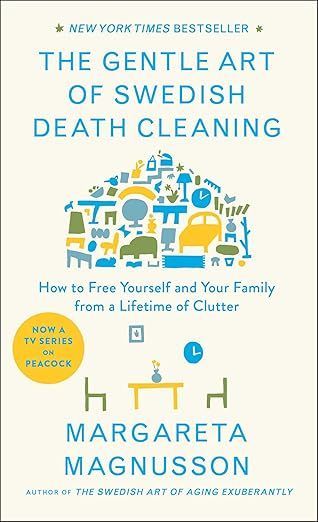
It sounds morbid, but it’s not nearly as gloomy as its name would suggest. Swedish Death Cleaning, or döstädning, is a kind of decluttering popularized by Swedish author and artist Margareta Magnusson in her bestselling 2018 book “The Gentle Art of Swedish Death Cleaning.”

“Just take it to the dump.” People say that all the time, when advising their friends and neighbors on how to get rid of an unwanted large item. But what exactly do they mean? And where should you go? Depending on what you’re trying to get rid of, it depends.
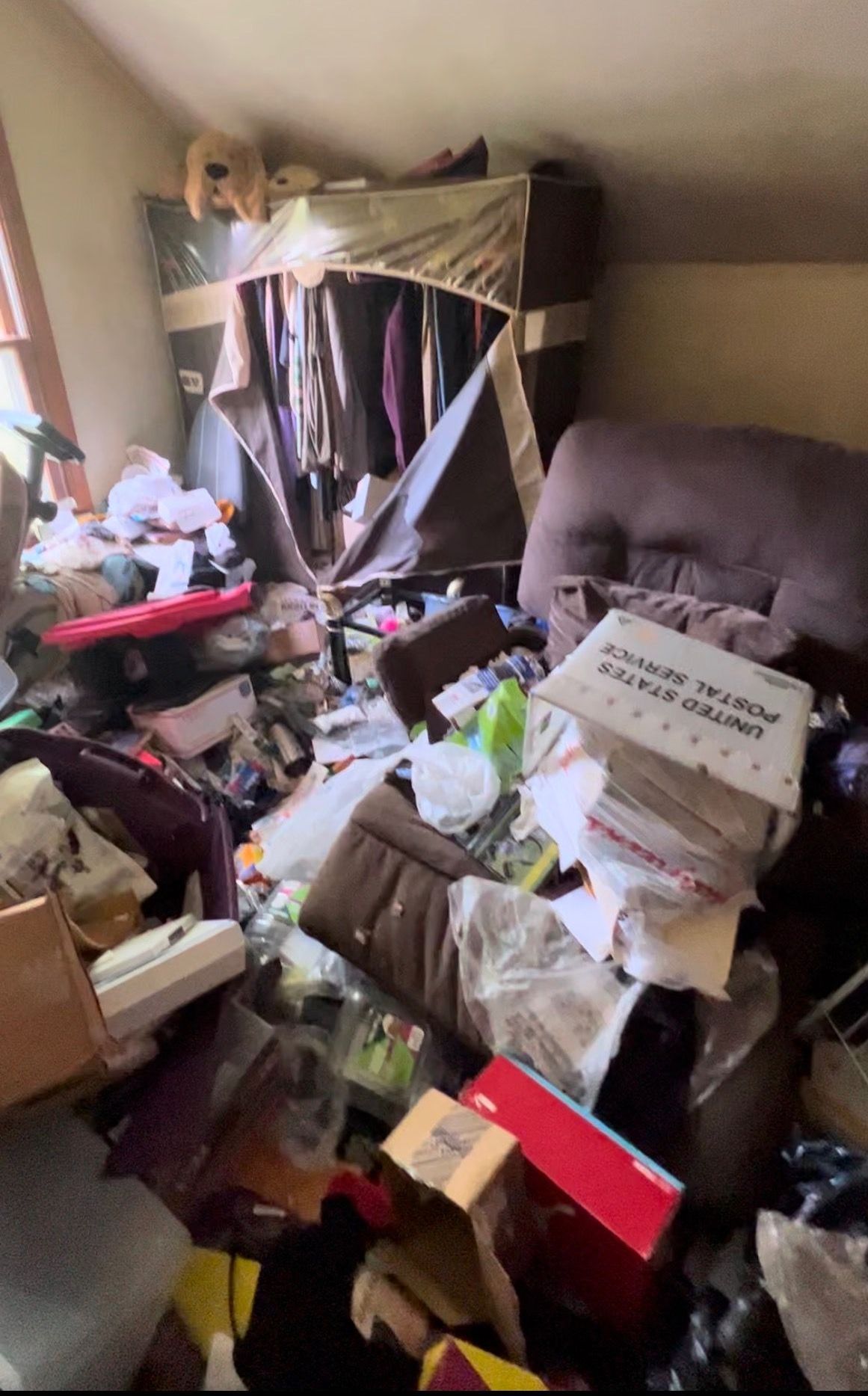
We’ve all seen the TV shows on compulsive hoarding – homes with three feet of garbage piled up on the floors, kitchens filled with rotting food and discarded cans, bathrooms with no running water, and mouse feces everywhere. While many of us may think “I’d never be able to live like that,” we wonder how things got that bad.
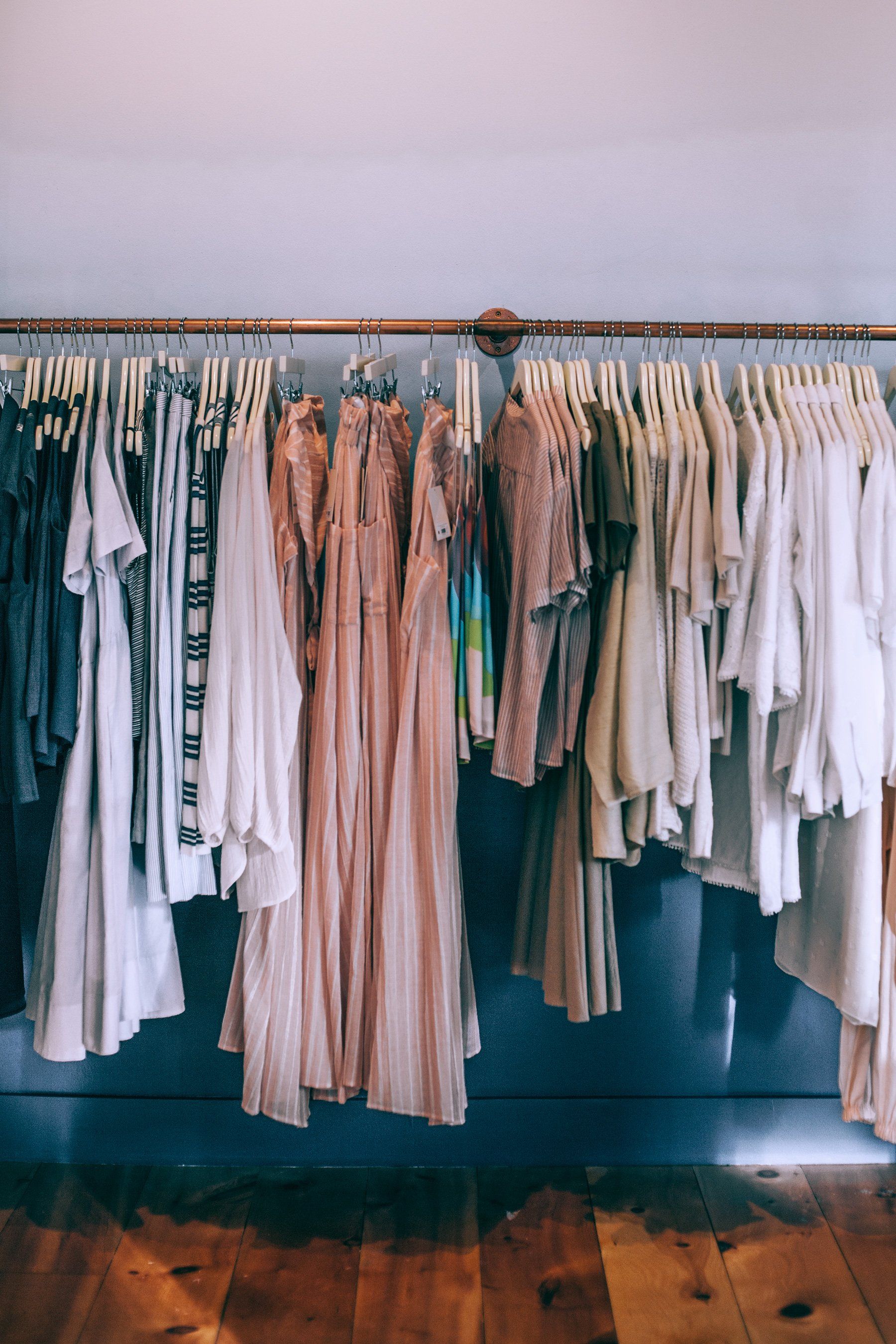
It’s called “fast fashion,” and the glut of fabric it leaves behind is clogging landfills worldwide and filling waterways with pollutants. It’s a veritable tsunami of unwanted textiles.
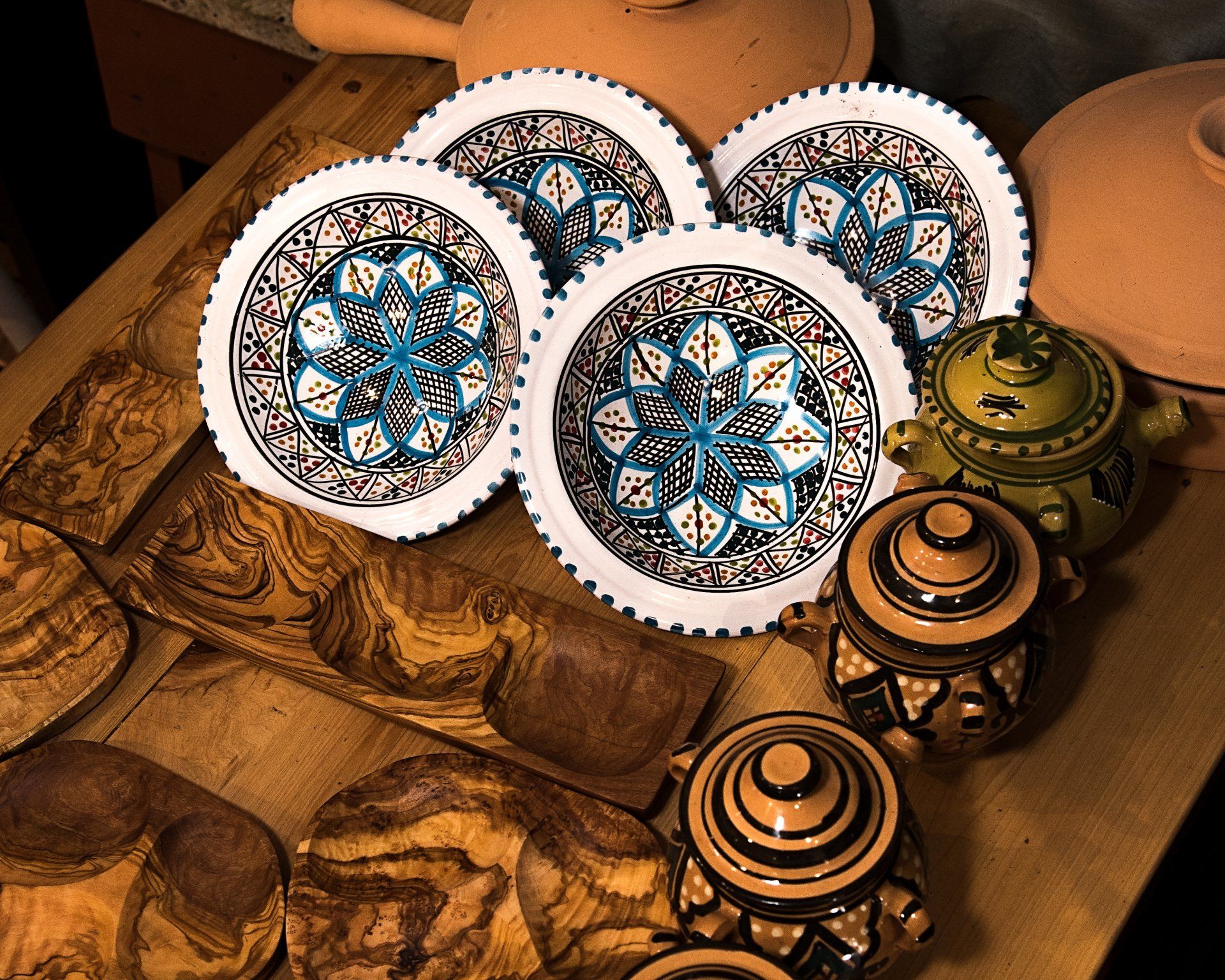
Helping clean out a loved one's home.
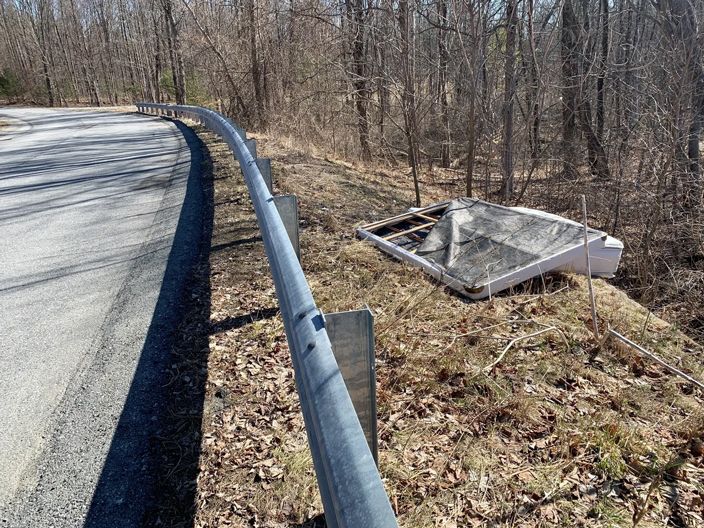
Everybody wants to do the right thing with their household waste, right? You’ve got a bag of garbage, you chuck it in the can and haul it to the curb. You accumulate one too many sets of ceramic bowls, you carry a box of stuff to a donation shop. You buy a new mattress or appliance, you have the delivery van take the old one away. Or if you just have way too much to deal with yourself, you hire someone to haul it away for you. But how do you know that the person you hire is not going to dump your old mattress in a ravine somewhere and drive away? Choosing the wrong junk hauler can be a costly mistake, as illegal dumping in Saratoga County and surrounding areas can cost you up to $1,000 in fines, with penalties much higher downstate. In New York City , fines for dumping a trash bag out of a vehicle range from $4,000 up to $18,000! And the DEC recently brought a lawsuit against 29 companies for illegally dumping construction waste in Ulster County. When hiring someone to responsibly dispose of your junk, there are some red flags to look for, and important questions to ask. And if the company you hire isn’t willing to answer those questions, move on to somebody else. Are they insured? Much as you wouldn’t want an uninsured tree company cutting down that 100-foot pine tree in your front yard, you don’t want an uninsured person hauling your 200-pound fridge down a flight of stairs. The risks far outweigh the rewards of finding someone who’s willing to do the job cheaply. Always ask for a Certificate of Insurance to protect your property if damage occurs. And always ask if they have Worker’s Compensation insurance, to protect you if they get injured on the job. Are they well-reviewed? Building an online presence takes time, and collecting reviews isn’t always a business’ first priority. But check for online reviews to see what other customers are saying about them. Google, Yelp, Facebook, and the company’s own website are good places to start. If everybody who’s reviewed them says they are trustworthy and do a good job, odds are they’ll do a good job for you too. If a company doesn’t have an online presence, ask if they used to work under a different name, or how long they’ve been in business. Who is going to show up at my house? With most small businesses, the owner will show up him-or-herself. When you call to book the service, ask who’s coming into your home, what vehicle they will arrive in, and how long the service will take. If they show up in a company vehicle with branded uniforms and knock on your front door, they’re who you were expecting. If they rattle down your driveway in an unmarked vehicle, wander unexpectedly into your backyard, and are a ragtag mismatched group, maybe ask for some ID. Licensed companies will also have a federal DOT number on the vehicle, you can ask to see that too. You should always be comfortable with who you let into your home. What do they do with the items they’re hauling away? Before the day has even begun, a reputable company will already have a plan for what they’re going to do with the items they collect. Whether it’s to deliver to a charity for donation, dump out at the local landfill, haul to a scrap metal yard or recycling center, resell or repurpose it for another use (we have a fun story about a customer’s discarded wedding dress that became a youth theater costume), they should be willing to tell you what they’re doing with your items. If they’re not willing to say, or evasive with your questions, keep pushing. What form of payment is accepted? For many businesses, cash is king, but it shouldn’t be the only form of payment a reputable business of this nature accepts. If a company only accepts cash, or a check made out to cash, think twice before handing over hundreds, if not thousands, of dollars. Can I get in trouble if someone I hire later turns out to have dumped illegally? Yes, you can! In 2020, New York State passed a law that designated illegal dumping as a felony, punishable by up to 4 years in prison. That level of punishment is unlikely for household waste violations, but the state and the Department of Environmental Conservation take these issues seriously, and the DEC is authorized to levy fines against environmental law violators - both the person who dumped the waste and the person whose waste was dumped. All this may not avoid illegal dumping or guarantee a good experience with your service, but it can help you feel more comfortable with how your junk is being handled and who you are allowing into your home. Also, do you really want to see soggy mattresses and broken chairs dumped over the guardrails in your neighborhood? Probably not.

One of our most frequent refrains is that “not all junk is trash.” You’ll hear us say it all the time, but what does that mean? Many of the items we remove from a house were once valued treasures. People throw away things that held sentimental or practical value at one time. From a child’s collection of LEGOS and crayons, to a grandparent’s collection of World War II history books, to that vintage bridesmaid dress you thought you’d wear again but never did, none of those things are really "trash." For you, however, it may be time to let them go. When it’s time to get rid of something that is junk to you, but a treasure-in-waiting to someone else, what can you do with those items? While some items may always be destined for the landfill, we’ve got some tips to help give your formerly beloved items a second life. Books - Nobody wants to send books to the landfill. Most local libraries will take donations of books, although generally only a box at a time. Call your local library to ask about their donation policies and dropoff times. Some libraries have a sale room or attached store, like the Saratoga Springs Public Library’s Friends Book Shop or the Crandall Public Library in Glens Falls, which holds book sales several times a year. If you don’t have the time to drop books off - or have a very large collection to dispose of - the Bulk Book Warehouse will pick up books from your home for free. They sell and redistribute the books, with a portion of the proceeds going to nonprofit causes. Musical Instruments - Did your kid play an instrument in high school that hasn’t been picked up since they grew up and moved out of the house? Remember how expensive it was to buy that flute or clarinet? They’re even more expensive now, and school districts are happy to accept donations for kids who want to learn how to play but can’t afford to buy their own instrument. Many schools have a Friends of Music booster group, check your local school district’s website or give the district office a call and they’ll steer you in the right direction. Or consider donating it to Horns for Haiti , a nonprofit organization that ships much-appreciated instruments to a music program in Haiti. Pet Supplies - Animal shelters are regularly looking for canned cat and dog food, new toys, bedding, and sheets and towels for the animals in their care. But did you know that social services organizations help pets too? Franklin Community Center in Saratoga Springs collects dog and cat food for community distribution. The Safe Pet Partnership is a program of Wellspring domestic violence resource center, assuring Wellspring clients of their pet’s safety. CAPTAIN Youth and Family Services distributes pet food through their Karyl’s Kupboard emergency food pantry. Art and Craft Supplies - Unopened or leftover art and craft supplies, including yarn, buttons, crayons, beads and much more can be donated to a number of places. Summer camps, nursing homes, senior centers, churches, daycare centers and community centers will repurpose them in new projects. Elementary school art teachers are often thrilled to receive a stash of unexpected goodies they can share with their classes. A nonprofit called The Crayon Initiative collects used crayons and melts them down, reforming them to be distributed to children’s hospitals across the country. Locally, the Duker Children’s Hospital at Albany Medical Center participates in their program to bring smiles to hospitalized children. Unique or vintage clothing and accessories - High School drama clubs and community theater groups have storage closets full of costumes that are mixed and matched to bring all kinds of performances to life. If you are hanging on to grandma’s 1940’s wool skirts, grandpa’s military uniform, or your great-aunt’s lace wedding dress, odds are there’s a theater troupe that would be glad to have it. LEGO Bricks - Those colorful little plastic blocks are small, expensive, and excruciatingly painful to step on. While they’re a fantastic toy for a young child, LEGOS are also one they eventually grow out of. If you have bins and bins of LEGOS stashed in your closets or basement, the LEGO Company offers a free recycling program. The LEGO Replay program makes it easy for you to box up your used LEGOS, print a free shipping label, and send the bricks to them to be redistributed to children across the country. Your local library may also have a LEGO Club that would be happy to take them off your hands. Clothing - Although there are clothing donation bins scattered around the area, make sure you are dropping off your clothing in a bin that’s marked for a specific organization. If it’s not, it’s likely being used for textile recycling. Up to 80% of donated clothing is sent to textile recyclers, who export items overseas for reuse, recycle fabric for industrial use, or convert the fabric into fiber for the automotive industry and other commercial use. To donate clothing directly to an organization, visit a local thrift or consignment store, or consult the Re-Clothe NY initiative, a state-sponsored program to identify locations to donate textiles. It takes a little time, but if you’re willing to put in the effort to sort through your items and make a few deliveries or a stop at the post office, much of what you may consider “trash” can easily find a new home. Take a look through those boxes and piles that you may want to pass on. Your closets will have a lot more space in them, and local families and children in need will thank you for it! Looking for more ideas? We work with a number of nonprofit organizations where we donate our customers’ usable items.
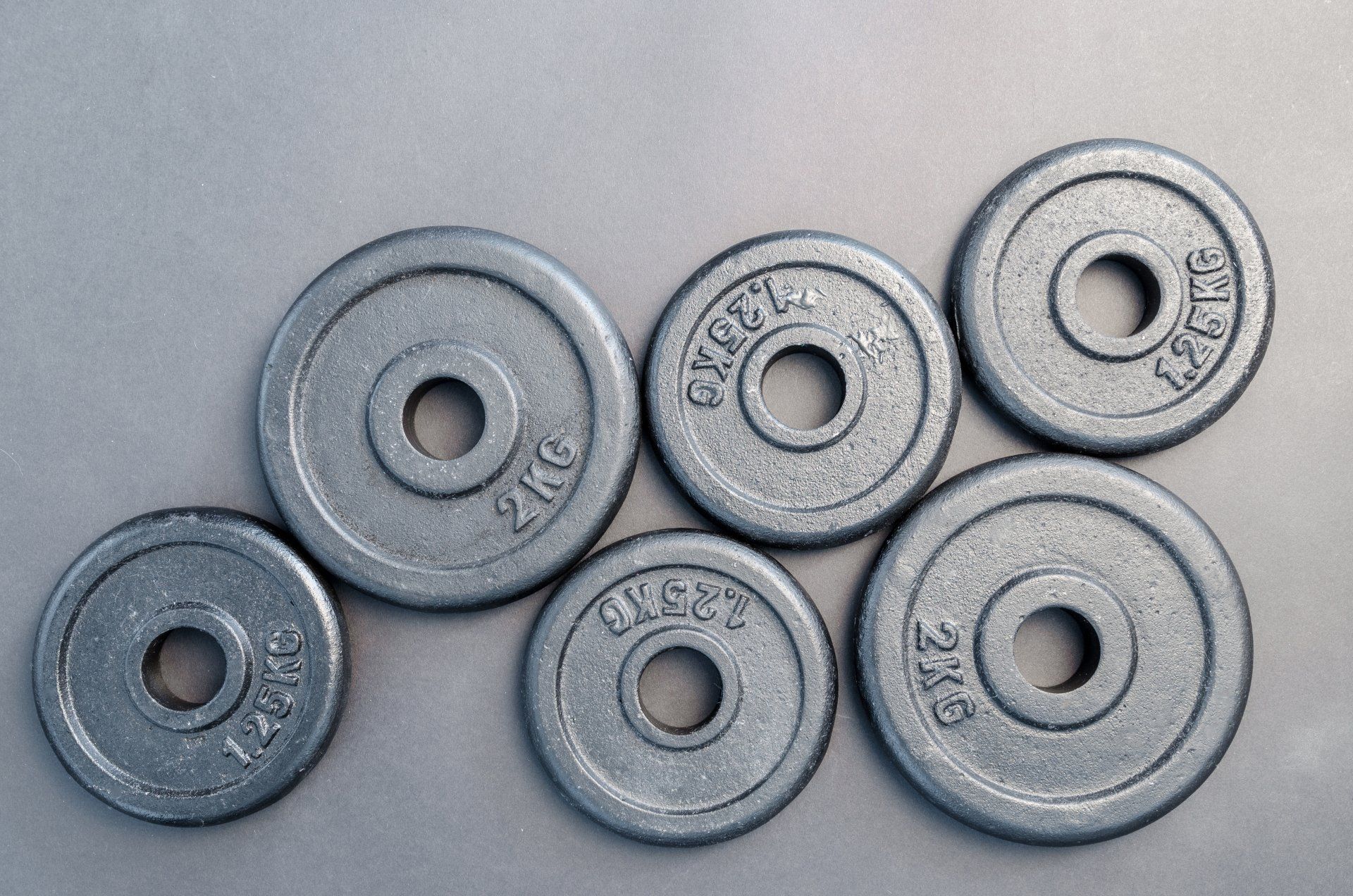
Of all the items that are recyclable - paper, cardboard, plastics, glass, tires, paint - the heaviest, bulkiest, and often most difficult to transport are metals. But despite the hassle, metal recycling is worth the effort. Metal can easily be recycled and re-purposed by a variety of different industries. Among other uses, recycled scrap metals are used in construction projects for bridges and roads, building materials, food packaging, and furniture. Small amounts of metal can be included in single-stream recycling bins, but for larger items, it’s best to take them to a local scrap yard. Scrap yards will accept iron, aluminum, copper, brass, stainless steel, and lead alloys. How do you know what metals your items are made of? Reputable scrap yards will sort through the items and advise customers on the value of the metals brought in. Local scrap yards pay cash for scrap metal, making scrapping worthwhile financially and environmentally. But according to the U.S. Department of Justice, the “fast cash” lure of scrapping carries unintended consequences, namely theft by drug addicts looking for quick access to small amounts of cash, or other nefarious operators. Copper is one of the most high-value scrap metals. Although it’s easy and beneficial to sell copper, its status as a high-value metal also makes it a high-theft one. It’s no coincidence that when thieves break into an abandoned or under-construction house, often the only thing they make off with is the copper pipes. According to national pricing estimates , copper scrap is valued between $2.95-$3.35 per pound, aluminum cans at 50-cents per pound, brass at $2.05 per pound, iron at $170 gt (gross ton, which is 2,250 pounds), tin at $190 gt, and steel at $220 gt. The average washing machine weighs up to 200 pounds, and a dryer weighs between 100-125 pounds. So at the high end, a washer or dryer - which are constructed mostly of tin - can bring in up to $20 when taken to a scrap yard. Although the average appliance carries some scrap value, the best reason to bring metals to a scrap yard is an environmental one to keep them out of the landfill. Unless an individual is bringing in large quantities of metal for recycling, scrapping isn’t as lucrative as some may think. Scroll through Facebook Marketplace or Craigslist, and you will invariably come across a request for someone to come take their old washer or dryer “for scrap value.” But how much does that “free scrap” actually cost a reputable junk removal company? A responsible junk hauler has to cover the costs of insurance, equipment maintenance, fuel, and staff wages. Along with maintaining a storage facility (to store all that scrap metal), the expense incurred to dispose of a single dryer will cost much more than the $20 gained in scrap value. But it is worth separating out metals from other items headed to the landfill, to reduce the amount of landfilled material and bring new life to items that won’t ever decompose naturally. Are there items that scrap yards won’t accept? Absolutely. They won’t accept hazardous waste of any kind, asbestos, oils, propane or gasoline tanks, glass, or tires (check out our blog entry on tire recycling for tips on what to do with your old tires).
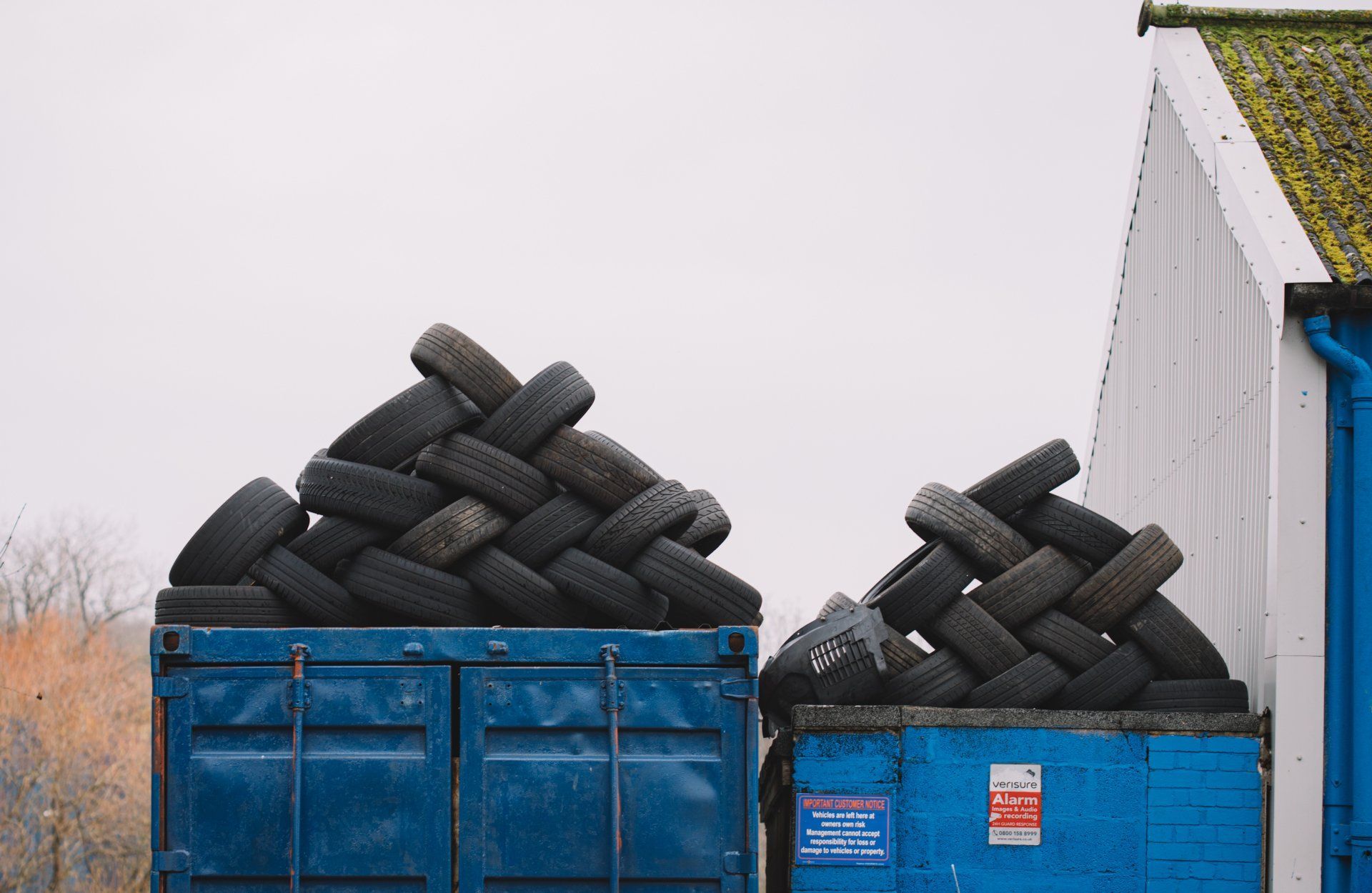
Some things that can be recycled often aren’t. One of those things is tires.
Why We Support Local Organizations
It sounds morbid, but it’s not nearly as gloomy as its name would suggest. Swedish Death Cleaning, or döstädning, is a kind of decluttering popularized by Swedish author and artist Margareta Magnusson in her bestselling 2018 book “The Gentle Art of Swedish Death Cleaning.”
“Just take it to the dump.” People say that all the time, when advising their friends and neighbors on how to get rid of an unwanted large item. But what exactly do they mean? And where should you go? Depending on what you’re trying to get rid of, it depends.
We’ve all seen the TV shows on compulsive hoarding – homes with three feet of garbage piled up on the floors, kitchens filled with rotting food and discarded cans, bathrooms with no running water, and mouse feces everywhere. While many of us may think “I’d never be able to live like that,” we wonder how things got that bad.
It’s called “fast fashion,” and the glut of fabric it leaves behind is clogging landfills worldwide and filling waterways with pollutants. It’s a veritable tsunami of unwanted textiles.
Helping clean out a loved one's home.
Everybody wants to do the right thing with their household waste, right? You’ve got a bag of garbage, you chuck it in the can and haul it to the curb. You accumulate one too many sets of ceramic bowls, you carry a box of stuff to a donation shop. You buy a new mattress or appliance, you have the delivery van take the old one away. Or if you just have way too much to deal with yourself, you hire someone to haul it away for you. But how do you know that the person you hire is not going to dump your old mattress in a ravine somewhere and drive away? Choosing the wrong junk hauler can be a costly mistake, as illegal dumping in Saratoga County and surrounding areas can cost you up to $1,000 in fines, with penalties much higher downstate. In New York City , fines for dumping a trash bag out of a vehicle range from $4,000 up to $18,000! And the DEC recently brought a lawsuit against 29 companies for illegally dumping construction waste in Ulster County. When hiring someone to responsibly dispose of your junk, there are some red flags to look for, and important questions to ask. And if the company you hire isn’t willing to answer those questions, move on to somebody else. Are they insured? Much as you wouldn’t want an uninsured tree company cutting down that 100-foot pine tree in your front yard, you don’t want an uninsured person hauling your 200-pound fridge down a flight of stairs. The risks far outweigh the rewards of finding someone who’s willing to do the job cheaply. Always ask for a Certificate of Insurance to protect your property if damage occurs. And always ask if they have Worker’s Compensation insurance, to protect you if they get injured on the job. Are they well-reviewed? Building an online presence takes time, and collecting reviews isn’t always a business’ first priority. But check for online reviews to see what other customers are saying about them. Google, Yelp, Facebook, and the company’s own website are good places to start. If everybody who’s reviewed them says they are trustworthy and do a good job, odds are they’ll do a good job for you too. If a company doesn’t have an online presence, ask if they used to work under a different name, or how long they’ve been in business. Who is going to show up at my house? With most small businesses, the owner will show up him-or-herself. When you call to book the service, ask who’s coming into your home, what vehicle they will arrive in, and how long the service will take. If they show up in a company vehicle with branded uniforms and knock on your front door, they’re who you were expecting. If they rattle down your driveway in an unmarked vehicle, wander unexpectedly into your backyard, and are a ragtag mismatched group, maybe ask for some ID. Licensed companies will also have a federal DOT number on the vehicle, you can ask to see that too. You should always be comfortable with who you let into your home. What do they do with the items they’re hauling away? Before the day has even begun, a reputable company will already have a plan for what they’re going to do with the items they collect. Whether it’s to deliver to a charity for donation, dump out at the local landfill, haul to a scrap metal yard or recycling center, resell or repurpose it for another use (we have a fun story about a customer’s discarded wedding dress that became a youth theater costume), they should be willing to tell you what they’re doing with your items. If they’re not willing to say, or evasive with your questions, keep pushing. What form of payment is accepted? For many businesses, cash is king, but it shouldn’t be the only form of payment a reputable business of this nature accepts. If a company only accepts cash, or a check made out to cash, think twice before handing over hundreds, if not thousands, of dollars. Can I get in trouble if someone I hire later turns out to have dumped illegally? Yes, you can! In 2020, New York State passed a law that designated illegal dumping as a felony, punishable by up to 4 years in prison. That level of punishment is unlikely for household waste violations, but the state and the Department of Environmental Conservation take these issues seriously, and the DEC is authorized to levy fines against environmental law violators - both the person who dumped the waste and the person whose waste was dumped. All this may not avoid illegal dumping or guarantee a good experience with your service, but it can help you feel more comfortable with how your junk is being handled and who you are allowing into your home. Also, do you really want to see soggy mattresses and broken chairs dumped over the guardrails in your neighborhood? Probably not.
One of our most frequent refrains is that “not all junk is trash.” You’ll hear us say it all the time, but what does that mean? Many of the items we remove from a house were once valued treasures. People throw away things that held sentimental or practical value at one time. From a child’s collection of LEGOS and crayons, to a grandparent’s collection of World War II history books, to that vintage bridesmaid dress you thought you’d wear again but never did, none of those things are really "trash." For you, however, it may be time to let them go. When it’s time to get rid of something that is junk to you, but a treasure-in-waiting to someone else, what can you do with those items? While some items may always be destined for the landfill, we’ve got some tips to help give your formerly beloved items a second life. Books - Nobody wants to send books to the landfill. Most local libraries will take donations of books, although generally only a box at a time. Call your local library to ask about their donation policies and dropoff times. Some libraries have a sale room or attached store, like the Saratoga Springs Public Library’s Friends Book Shop or the Crandall Public Library in Glens Falls, which holds book sales several times a year. If you don’t have the time to drop books off - or have a very large collection to dispose of - the Bulk Book Warehouse will pick up books from your home for free. They sell and redistribute the books, with a portion of the proceeds going to nonprofit causes. Musical Instruments - Did your kid play an instrument in high school that hasn’t been picked up since they grew up and moved out of the house? Remember how expensive it was to buy that flute or clarinet? They’re even more expensive now, and school districts are happy to accept donations for kids who want to learn how to play but can’t afford to buy their own instrument. Many schools have a Friends of Music booster group, check your local school district’s website or give the district office a call and they’ll steer you in the right direction. Or consider donating it to Horns for Haiti , a nonprofit organization that ships much-appreciated instruments to a music program in Haiti. Pet Supplies - Animal shelters are regularly looking for canned cat and dog food, new toys, bedding, and sheets and towels for the animals in their care. But did you know that social services organizations help pets too? Franklin Community Center in Saratoga Springs collects dog and cat food for community distribution. The Safe Pet Partnership is a program of Wellspring domestic violence resource center, assuring Wellspring clients of their pet’s safety. CAPTAIN Youth and Family Services distributes pet food through their Karyl’s Kupboard emergency food pantry. Art and Craft Supplies - Unopened or leftover art and craft supplies, including yarn, buttons, crayons, beads and much more can be donated to a number of places. Summer camps, nursing homes, senior centers, churches, daycare centers and community centers will repurpose them in new projects. Elementary school art teachers are often thrilled to receive a stash of unexpected goodies they can share with their classes. A nonprofit called The Crayon Initiative collects used crayons and melts them down, reforming them to be distributed to children’s hospitals across the country. Locally, the Duker Children’s Hospital at Albany Medical Center participates in their program to bring smiles to hospitalized children. Unique or vintage clothing and accessories - High School drama clubs and community theater groups have storage closets full of costumes that are mixed and matched to bring all kinds of performances to life. If you are hanging on to grandma’s 1940’s wool skirts, grandpa’s military uniform, or your great-aunt’s lace wedding dress, odds are there’s a theater troupe that would be glad to have it. LEGO Bricks - Those colorful little plastic blocks are small, expensive, and excruciatingly painful to step on. While they’re a fantastic toy for a young child, LEGOS are also one they eventually grow out of. If you have bins and bins of LEGOS stashed in your closets or basement, the LEGO Company offers a free recycling program. The LEGO Replay program makes it easy for you to box up your used LEGOS, print a free shipping label, and send the bricks to them to be redistributed to children across the country. Your local library may also have a LEGO Club that would be happy to take them off your hands. Clothing - Although there are clothing donation bins scattered around the area, make sure you are dropping off your clothing in a bin that’s marked for a specific organization. If it’s not, it’s likely being used for textile recycling. Up to 80% of donated clothing is sent to textile recyclers, who export items overseas for reuse, recycle fabric for industrial use, or convert the fabric into fiber for the automotive industry and other commercial use. To donate clothing directly to an organization, visit a local thrift or consignment store, or consult the Re-Clothe NY initiative, a state-sponsored program to identify locations to donate textiles. It takes a little time, but if you’re willing to put in the effort to sort through your items and make a few deliveries or a stop at the post office, much of what you may consider “trash” can easily find a new home. Take a look through those boxes and piles that you may want to pass on. Your closets will have a lot more space in them, and local families and children in need will thank you for it! Looking for more ideas? We work with a number of nonprofit organizations where we donate our customers’ usable items.
Of all the items that are recyclable - paper, cardboard, plastics, glass, tires, paint - the heaviest, bulkiest, and often most difficult to transport are metals. But despite the hassle, metal recycling is worth the effort. Metal can easily be recycled and re-purposed by a variety of different industries. Among other uses, recycled scrap metals are used in construction projects for bridges and roads, building materials, food packaging, and furniture. Small amounts of metal can be included in single-stream recycling bins, but for larger items, it’s best to take them to a local scrap yard. Scrap yards will accept iron, aluminum, copper, brass, stainless steel, and lead alloys. How do you know what metals your items are made of? Reputable scrap yards will sort through the items and advise customers on the value of the metals brought in. Local scrap yards pay cash for scrap metal, making scrapping worthwhile financially and environmentally. But according to the U.S. Department of Justice, the “fast cash” lure of scrapping carries unintended consequences, namely theft by drug addicts looking for quick access to small amounts of cash, or other nefarious operators. Copper is one of the most high-value scrap metals. Although it’s easy and beneficial to sell copper, its status as a high-value metal also makes it a high-theft one. It’s no coincidence that when thieves break into an abandoned or under-construction house, often the only thing they make off with is the copper pipes. According to national pricing estimates , copper scrap is valued between $2.95-$3.35 per pound, aluminum cans at 50-cents per pound, brass at $2.05 per pound, iron at $170 gt (gross ton, which is 2,250 pounds), tin at $190 gt, and steel at $220 gt. The average washing machine weighs up to 200 pounds, and a dryer weighs between 100-125 pounds. So at the high end, a washer or dryer - which are constructed mostly of tin - can bring in up to $20 when taken to a scrap yard. Although the average appliance carries some scrap value, the best reason to bring metals to a scrap yard is an environmental one to keep them out of the landfill. Unless an individual is bringing in large quantities of metal for recycling, scrapping isn’t as lucrative as some may think. Scroll through Facebook Marketplace or Craigslist, and you will invariably come across a request for someone to come take their old washer or dryer “for scrap value.” But how much does that “free scrap” actually cost a reputable junk removal company? A responsible junk hauler has to cover the costs of insurance, equipment maintenance, fuel, and staff wages. Along with maintaining a storage facility (to store all that scrap metal), the expense incurred to dispose of a single dryer will cost much more than the $20 gained in scrap value. But it is worth separating out metals from other items headed to the landfill, to reduce the amount of landfilled material and bring new life to items that won’t ever decompose naturally. Are there items that scrap yards won’t accept? Absolutely. They won’t accept hazardous waste of any kind, asbestos, oils, propane or gasoline tanks, glass, or tires (check out our blog entry on tire recycling for tips on what to do with your old tires).
Some things that can be recycled often aren’t. One of those things is tires.